

Mouse Print* readers have been busy scouring the fine print of ads and product labels, and have come up with some doozies. (Here’s how to submit your finds.)
Example 1

Cathy S. found these sheets at a flea market and also noted that some people online were complaining about them. Why?
*MOUSE PRINT:
These sheets that appear to be “1600 thread-count Egyptian cotton” aren’t 1600 thread-count and aren’t even cotton! The fine print above that claim says “experience the same comfort, luxury, and softness as” 1600 thread count Egyptian cotton. How deceptive can you get? Incidentally, the label above is enlarged from the original, so the qualifying language is even harder to read.
.
.Example 2
T-Mobile just introduced a new plan whereby customers can upgrade their phones whenever they want.
Becky sent along this commercial and urged us to focus on the fine print rather than the spoken words.
http://www.youtube.com/watch?v=7HbLXtlsuCM
While the words say “upgrade when you want,” the hard-to-read fine print says something else.
*MOUSE PRINT:
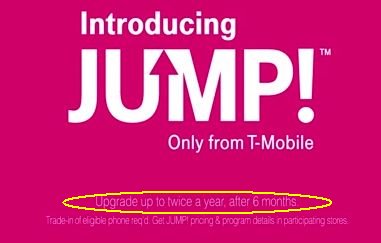
“Upgrade up to twice a year after 6 months” is not exactly “when you want” says Becky. We agree.
.
.
Visit Consumer World for the latest consumer news, money-saving tips, and a free weekly newsletter.


