A longtime Consumer World reader, Alex from Virginia, wrote to us recently about a sweepstakes being run by The Hershey Company for Reese’s Peanut Butter Cups.
He got a package like the one below from his local Dollar General store offering a chance at winning $25,000.
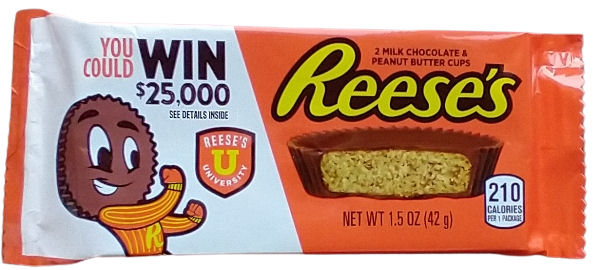
The front of it said, “You could WIN $25,000. See details inside.”
The law of most states says that paying a price (“consideration”) for the chance to win a prize is a lottery, and usually only the state and charities are allowed to conduct them. (This is also the definition of “gambling” in Pennsylvania, where The Hershey Company is headquartered.)
The FTC recently reiterated that companies can’t charge a price to enter a sweepstakes when describing their $18.5 million case settlement with Publishers Clearing House:
Real sweepstakes are free and by chance. It’s illegal to ask you to pay or buy something to enter.
But companies always have promotions telling shoppers if you buy their product you have a chance to win a prize. So how do they get away it?
To prevent any promotion by a company being deemed a lottery or gambling, it must disclose a “no purchase necessary” means of playing the game, such as by sending in a postcard with your name and address. That is called the alternate means of entry (AMOE).
Being a savvy shopper, our consumer knew this so he scrutinized the outside of the package looking for the required information on how to enter the sweepstakes without having to make a purchase. There was nothing on the front, the back, the sides, or even under the flap. But after the candy was purchased, he got a big surprise when opening the package.
*MOUSE PRINT:
There, INSIDE the package, they disclosed how to enter the sweepstakes without having to make a purchase and provided a website with more information! Hello?

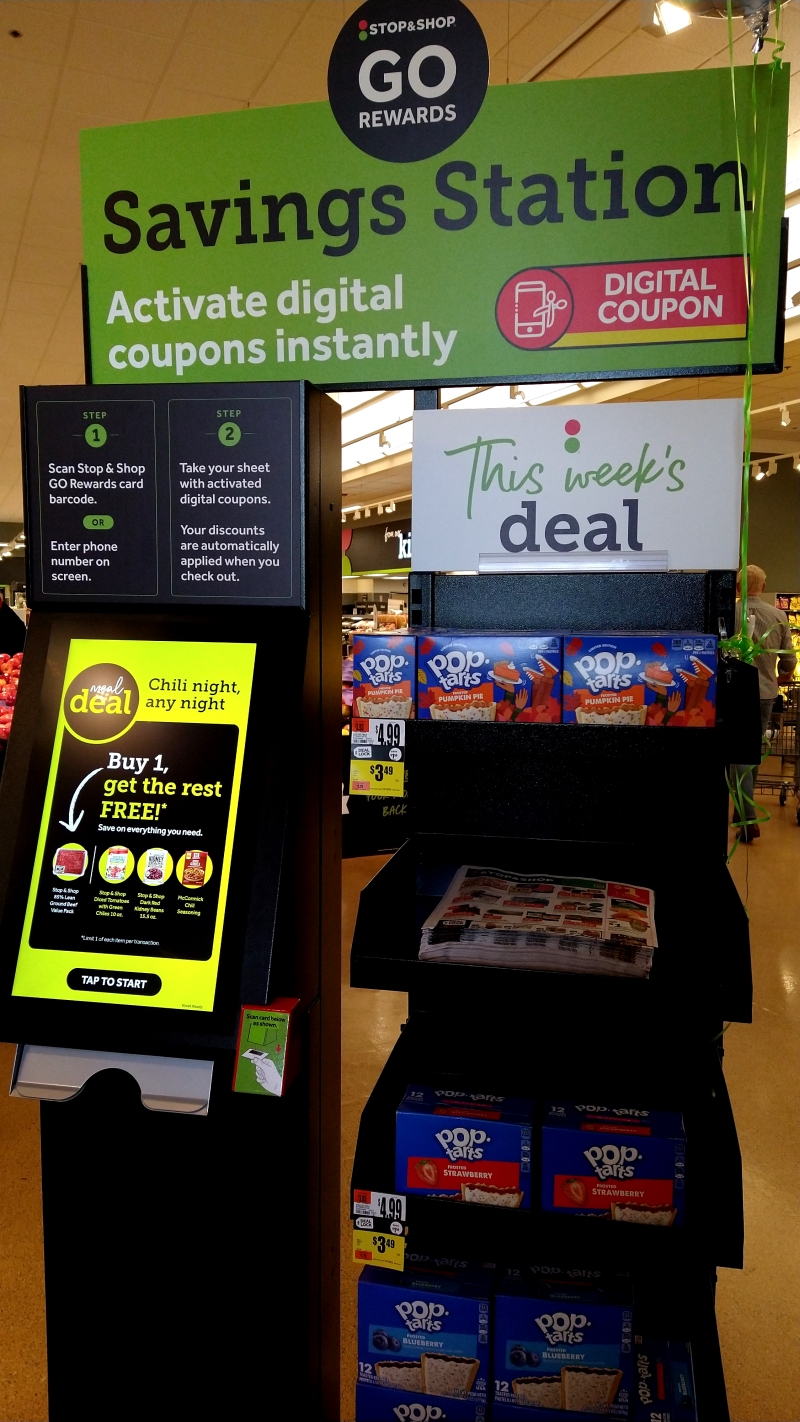
And just in case you were thinking maybe Hershey put these Reese’s packages in a special display in stores, and that display disclosed the free way to enter the sweepstakes along with the URL of their special website, that was not the case at least where MrConsumer found the bars in the regular candy display at the checkout at his local Walgreens in Massachusetts. Likewise that’s where a California shopper also found them. A Washington state shopper found them without special signage along with other candy at a Safeway checkout, and our Virginia consumer found them in this display at Dollar General:

So is this promotion legal? We consulted with one of the country’s leading sweepstakes law experts who said in a statement in part:
My opinion on this promotion is that it does violate the lottery laws. The need for clear and conspicuous disclosure [of the AMOE] is particularly important for an on-pack sweepstakes … [and] should be clearly and conspicuously disclosed on the outside of the package.
What does Hershey have to say for itself? We contacted their PR representative three times asking for comment and an explanation, but we received no reply.
However, the company issued a statement to the Associated Press, and the reporter incorporated their position into her story:
Hershey Co., that Pennsylvania candymaker that owns the Reese’s brand, said late Monday that its website contains full details of the promotion. It also said some packages have QR codes that link consumers to more information.
“As with all of our promotions, we place great care and diligence to ensure they are compliant with all regulations,” Hershey said in a statement.
The company also said in-store displays showed abbreviated rules for the sweepstakes, including how to enter without making a purchase. But Dworsky said a spot check of candy displays in multiple states, including California, Virginia and Washington, found no such signs.
Packages purchased by an Associated Press reporter at a Michigan drugstore didn’t contain QR codes, and the store had no signage explaining the promotion.
We’ll only reiterate that the obligation is on the company to disclose to consumers the way to find the free method to enter the sweepstakes, not for buyers to have to go hunting to find it or to have to buy the product.
This case is particularly troubling because children and young people are candy buyers and could well be attracted to the cartoon character on the package, the school theme, and the idea of winning money. Not knowing the law, they or other impulse purchasers might buy this candy needlessly or repeatedly when they didn’t have to.
We also discovered that the company ran the exact same promotion from January through April this year with the same packaging. The problem is that some of those older packages are still for sale indistinguishably intermingled with the new ones but the sweepstakes offer and code inside expired months ago.
For all the foregoing reasons, we urge Hershey to recall all specially-marked packages of Reese’s with the $25,000 offer.
In addition, we have turned over this case to the Federal Trade Commission, the Pennsylvania attorney general’s office, and some other law enforcement entities for their review.
Perhaps it’s time for Reese’s to change their slogan from not sorry to sorry.
Please add your opinion in the comments section.