
 From the lost archive of unpublished Mouse Print* stories…
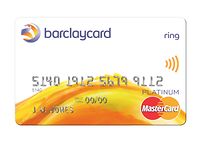
To appeal to 20- and 30-somethings, Barclays Bank introduced a new credit card in 2012 called the Barclaycard Ring. They said it was “the first social credit card to be designed and built through the power of community crowdsourcing.” In other words, cardholders will have input into the features, benefits, and pricing of the card.
A bank official put it this way: “Through simple and transparent terms [emphasis added], we want to pull back the curtain that has traditionally separated banks from their customers and give our community a say in weighing economic tradeoffs that can create a better cardholder experience.â€
Their website went on to say: “Being candid starts with using straightforward language without the confusing legalese. But we’re taking it a step further. For the first time ever, we’re going to give you a look at our profit and loss statement, [emphasis added] which shows you how we make money from Barclaycard Ring. And with Givebackâ„¢, you’ll even get to keep some of the profits for yourself.”
This credit card sounds like something created by hippies (oops, MrConsumer is dating himself) rather than a stodgy, money-grubbing bank, doesn’t it?
*MOUSE PRINT:
The terms and conditions statement for the card, which indeed has been simplified, explains how cardholders will (or won’t) be able to see the bank’s profit and loss statement:
This profit sharing feature is not based on the actual profits of the program. Instead, the Givebackâ„¢ program contains a transparent calculation that is used to determine what will be shared with the community members and which may or may not approximate actual profits. The Givebackâ„¢ program and the profit sharing features are offered at our sole discretion. We may discontinue the program at anytime.
Oh, so you really don’t get to look at the profit and loss statement, and the bank can decide on its own to stop the profit sharing plan. Nice.
2014 Update: Checking the bank’s first annual report, and the quarterly ones through March 2014, it appears the card has not returned any money under their profit sharing Giveback program. (They have given a small amount to charity, however.) It appears that they require their annual return to exceed 3% before they rebate money to cardholders.
*MOUSE PRINT:
The bank makes a big deal about offering a low 8% variable APR, as well they should. When you look at the fine print, however, how that rate is calculated gets a little murky.
The APRs on your account will be determined each billing cycle by adding a margin to the Prime Rate (which will be the highest rate published in the Money Rates column of The Wall Street Journal on the last business day of each month). See your Cardmember Agreement for more detail.
Excuse me, I thought this bank was supposed to believe in transparency. Exactly how much above the prime rate is the bank going to charge? It would be nice to disclose it in advance.
2014 Update: The bank now discloses on the homepage and in its terms and conditions that a margin of 4.75% will be added to the prime rate in order to come up with the actual finance charge that will be assessed.
Lastly, the bank maintains a message forum for cardholders where a recent topic of concern was whether the bank was going to raise its 8% rate. A product manager for the credit card addressed that issue in a blog post, saying in part:
The last thing we want to do is change the APR that the community likes so much. My legal team will never let me say never, but our intention is to never change the 8% variable APR.
Hello? (to both the product manager and cardholders.) This is a VARIABLE rate card, which by definition does not have a fixed rate, but one that changes monthly, according to the prime rate and the terms and conditions.
Barclays has come up with a very clever marketing scheme which will no doubt attract a certain type of user. For his part, MrConsumer will just stick with his 2% back card from Fidelity/Bank of America, and let them keep the rest of the profit, if any.

