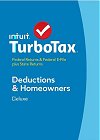
 (BOSTON – January 22, 2015) – Following a public outcry from regular TurboTax Deluxe users who learned that the popular tax preparation software’s maker had stripped the program of key functionality this year, Intuit today apologized and somewhat reversed course by offering a $25 rebate to purchasers to partially cover the cost of having to upgrade to a more expensive version.
Without clear advance disclosure that its flagship product had changed and could no longer help users easily report all income from investments, self-employment, and rental property (Schedules C, D, and E), the company had sought $30 to $40 in upgrade fees disclosed partway into the program in order to restore its original functionality.
“Intuit offered a full apology but only a partial refund. They should be providing free automatic upgrades this year, and not requiring users to remember to send in for a rebate possibly months from now after they file their taxes,” commented Consumer World founder Edgar Dworsky. “The rebate doesn’t even cover the full cost of the upgrade in many cases.”
As of today, customers have posted over 1500 one-star reviews of TurboTax Deluxe on Amazon. And competitors like H&R Block have already offered disgruntled TurboTax customers their tax software free.
Dworsky launched a media blitz on January 6 to warn the public about the crippled TurboTax software, and to pressure the company to give all affected customers automatic free upgrades to restore the product’s full functionality. Until now, Intuit was only informally offering free or discounted upgrades to buyers who called to complain.
To save the company money, Intuit has narrowly defined who can get the $25 rebate. To qualify, customers have to had filed their 2013 income taxes using TurboTax Deluxe, and filed their 2014 return using either TurboTax Premier or Home & Business. And by using a rebate that can’t be submitted until one’s taxes are filed, the company will benefit from those who forget or can’t be bothered dealing with rebates.
UPDATE: Intuit has clarified whether you have to e-file or not to qualify for the rebate. If you e-file both the 2013 and 2014 return, their website can automatically validate your rebate request. If you paper filed, they will have to process the request manually by having you call their 800 number.
Intuit is not new to controversy or nickel-and-diming tactics. In 2008, it added a $9.95 fee to print or e-file a second return from TurboTax, but quickly rescinded the charge following a storm of criticism. And for years, it has arbitrarily “sunset” (deactivated) the online downloading and electronic bill payment functions of its popular Quicken checkbook software thus requiring consumers to buy a new version of the program every three years.

