Companies generally do not like to be sued by consumers particularly in class action lawsuits. So, many of them have incorporated mandatory arbitration clauses into their contracts, or sometimes buried in the terms and conditions section of their websites.
Consumer World reader Dave L. recently wrote to us pointing out a most novel way that one company was attempting to foist a mandatory arbitration requirement onto its customers.
I recently bought my wife some Vital Proteins Collagen Peptides protein powder dietary supplement at BJ’s (Stoneham, Mass.) and noticed the packaging had changed. … After she opened the new outer container, she noticed fine print on a seal that said she was bound by terms and conditions …
*MOUSE PRINT:

There, under the new paper cap, is a disclosure that says:
READ THIS: By opening and using this product, you agree to be bound by our Terms and Conditions, fully set forth at VitalProteins.com/tc, which includes a mandatory arbitration agreement. If you do not agree to be bound, please return this product immediately.
What chutzpah of this company ignoring basic contract law that requires disclosure and agreement BEFORE a contract is entered into! You have already bought the product and destroyed the new paper package’s top, and you are then supposed to return the product if you don’t agree to these terms? As our consumer wrote, “this is nuts.”
In addition, on the company’s website, part of its terms and conditions, seeks to absolve itself of errors, including incorrect prices and inaccurate product descriptions.
*MOUSE PRINT:
V. Availability, errors and inaccuracies
… The information found on the Service may contain errors or inaccuracies and may not be complete or current. Products or services may be mispriced, described inaccurately, or unavailable on the Service and we cannot guarantee the accuracy or completeness of any information found on the Service.
Why is this company, now owned by Nestlé Health Science, doing this? It seems they have been subject to various legal actions before by a competitor and a public interest health group, and they had a product recall in 2023.
We asked Nestlé twice to comment on why they thought they could rope purchasers into a mandatory arbitration agreement that was only disclosed to them after they bought the item at a retail store. They did not respond.


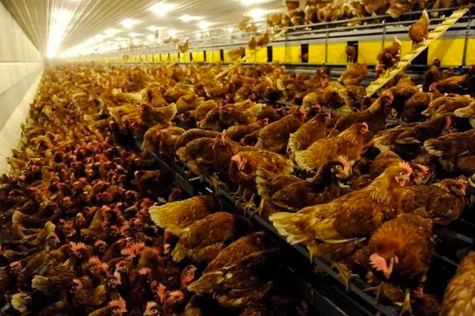 2009 photo of an Eggland’s Best supplier