
Very often the worst type of fine print disclosure is the one that is missing, despite being required to be there. That is what retailer Lord & Taylor did (or failed to do) according to the Federal Trade Commission.
In early 2015, Lord & Taylor was coming out with a new line of clothing aimed at younger women. To help get their attention, the retail chain wisely enlisted the help of 50 “fashion influencers” — hip bloggers and fashion writers with a big following. They were given the same free dress, and paid between $1,000 and $4,000 to post a picture of themselves along with certain hashtags on Instagram.
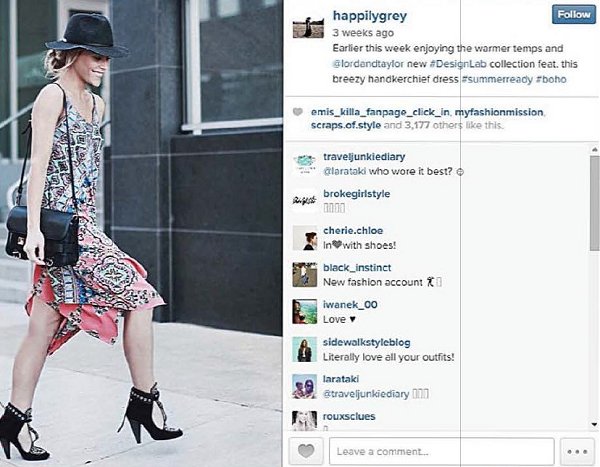
*Missing MOUSE PRINT:
Under the FTC’s Testimonial and Endorsement Guidelines, these women failed to disclose the material connection they had to Lord & Taylor, that they received the product for free, and that they were paid to promote the dress and clothing line.
Lord & Taylor didn’t stop there. They paid an online fashion magazine, Nylon, to write an article about the new clothing line, and got to review and approve it before publication.

*Missing MOUSE PRINT:
Besides violating the testimonial guidelines by not disclosing that the magazine was paid to write this story, the presentation of the story on Nylon’s website made the story appear just like any other article they publish. This is called “native advertising” when what really is an ad is deliberately made to look like independent editorial content of the publisher. Under the brand new Native Advertising Guidelines of the FTC, this content had to be clearly labeled as a “paid advertisement” or “sponsor paid content” or similar.
Why is the FTC making a big stink about this? First, consumers have a right to know whether what they are reading is an objective, real opinion of an authority on the subject, or just the opinion of the advertiser, to which they might assign less weight or credence. Secondly, disguised advertising works. In the Lord & Taylor case, the fashion influencers’ posts reached 11.4 million individual Instagram users over just two days, and the dress quickly sold out.
In its proposed consent order, the FTC says that going forward Lord & Taylor can’t falsely claim, expressly or by implication that an endorser is an independent user or ordinary consumer. If there is a material connection between the company and an endorser, Lord & Taylor must clearly disclose it in close proximity to the claim. And Lord & Taylor can’t suggest or imply that a paid ad is a statement or opinion from an independent or objective publisher or source.
No fine is being imposed.
The FTC only did half its job here. It should have fined Lord & Taylor!
Testimonials that are paid for, but without revealing the payment, are rampant. All one need do is check out the Craigslist writer’s section to see businesses soliciting positive Yelp reviews, for example.
So in exchange for simply agreeing to follow the law in the future, Lord & Taylor gets off scot-free. Since when did “Get out of jail, free” cards become a real thing?
Without a fine, I don’t think this FTC action means anything.
All Lord and Taylor had to do was say ‘oops’ and they were able to move on without reprimand.
You’re with me, payola…
What about all those products “evaluated”, “described” “presented as new technology” “software that will solve all your problems” on yahoo, google news, msn news, etc. without the $ sign?
Under which category do they belong too???
Once again the FTC has bared its gums and let out a ferocious squeak. Lord & Taylor is laughing all the way to the bank.