Updated every Monday!   Subscribe to free weekly newsletter.

Readers Spot the “Gotchas” in the Fine Print (Part 1)

Mouse Print* readers have been busy scouring the fine print of ads and product labels, and have come up with some doozies. (Here’s how to submit your finds.)

Example 1

sheets

Cathy S. found these sheets at a flea market and also noted that some people online were complaining about them. Why?

*MOUSE PRINT:

These sheets that appear to be “1600 thread-count Egyptian cotton” aren’t 1600 thread-count and aren’t even cotton! The fine print above that claim says “experience the same comfort, luxury, and softness as” 1600 thread count Egyptian cotton. How deceptive can you get? Incidentally, the label above is enlarged from the original, so the qualifying language is even harder to read.


.

.
Example 2

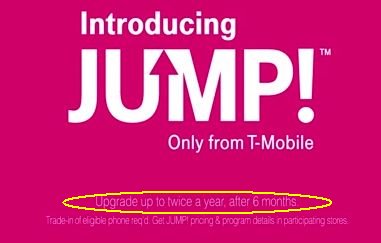
T-Mobile just introduced a new plan whereby customers can upgrade their phones whenever they want.

Becky sent along this commercial and urged us to focus on the fine print rather than the spoken words.


http://www.youtube.com/watch?v=7HbLXtlsuCM

While the words say “upgrade when you want,” the hard-to-read fine print says something else.

*MOUSE PRINT:

Jump

“Upgrade up to twice a year after 6 months” is not exactly “when you want” says Becky. We agree.


.

.

Mouse Print* is a service of
Consumer World

Visit Consumer World for the latest consumer news, money-saving tips, and a free weekly newsletter.

Updated every Monday!   Subscribe to free weekly newsletter.

If You Don’t Read the Fine Print of Cable Ads…

If you don’t read the fine print, particularly in ads from cable companies, you could get snookered.

Example 1:

Cox advertised high speed Internet for only $19.99 per month for two years.

*MOUSE PRINT:

Cox

When you clickthrough, you realize that you have to buy cable TV service for an unstated price, but if you only want Internet service, it is $10 higher — $29.99 but only for three months.

Cox
Cox

Why couldn’t Cox simply advertise in the first place: “Buy cable TV service, get high speed Internet for only $19.99/mo for two years” ?


Example 2:

The promotion of triple plays (TV, Internet, and telephone) is common among cable companies so one always seems to try to outdo the other. Here’s a deal from Charter: HDTV, Internet and Phone for only $29.99 a month. Wow, sign me up.

*MOUSE PRINT:

Charter

If you look carefully, in tiny print, you can see the word “each.” So the real price is $89.97 a month. Word has it that Comcast in the recent past had a similar ad that conveyed the impression to some people that you got all three services for only $29.99 a month.


Example 3:

It is common to see triple plays advertised for $99, but during special promotions you can sometimes find even lower prices. Just last week, Verizon FiOS advertised a really low price — $69.95 for all three services.

Verizon FiOS

When MrConsumer clicked through, he discovered there was no such price.

*MOUSE PRINT:

Verizon FiOS

The lowest price shown was $79.99, and the $69.99 was nowhere to be found. Now it is possible that the $69 price was only for certain parts of the country, but there was no fine print in the original ad suggesting that.

The bottom line is that these companies should play it straight. Tell the consumer what the real offer is upfront, without having to resort to fine print or trickery.

Disclosure: MrConsumer is a member of Verizon’s Consumer Advisory Board.

Updated every Monday!   Subscribe to free weekly newsletter.

Is Getting a $7 Discount Worth Giving Up Your Privacy?

Sears and Kmart run a rewards program called Shop Your Way Rewards, giving you points for purchases. They are now expanding it to other retailers. In a joint marketing promotion with Visa, they are promising to give you $7 in rewards credit, if you register your Visa card. MrConsumer was tempted by the free $7.

Shop Your Way

On the registration page, they ask for your cellphone number. That should always be a warning flag that you may be getting calls or texts on your mobile phone. The little question mark near the mobile phone field, however, doesn’t say that.

*MOUSE PRINT:

Shop Your Way

Whewwww. That’s a relief.

Well, not so fast. Toward the bottom of the enrollment form, there is a bunch of fine print.

*MOUSE PRINT:

I agree that the SYW Link Program may send me SMS messages to my registered mobile phone number confirming each time the program identifies a potentially qualifying SYW Link purchase, as well as additional SMS messages (approximately 8 per month, which may vary) with SYW offers or updates. Msg&Data Rates May Apply.

Your Visa card’s historic (up to past 13 months) and future transaction history (including air travel itinerary information and location of the merchant where you used your card) may be used to deliver you with offers and messages from the SYW Link Program based on your purchase behavior. [color emphasis added]

In plain English, you are authorizing Sears and Visa to send you eight text message ads a month, in addition to texts each time you make a qualifying purchase. Further, you are allowing the companies to review over a year’s worth of your purchases so they can better profile you.

MrConsumer decided that a lousy $7 payment was not a fair trade for getting a bunch of unwanted text message ads about who knows what, and allowing them to see his purchasing habits. While one can later opt-out of the text messages, the invasion of privacy was too high a price to pay.