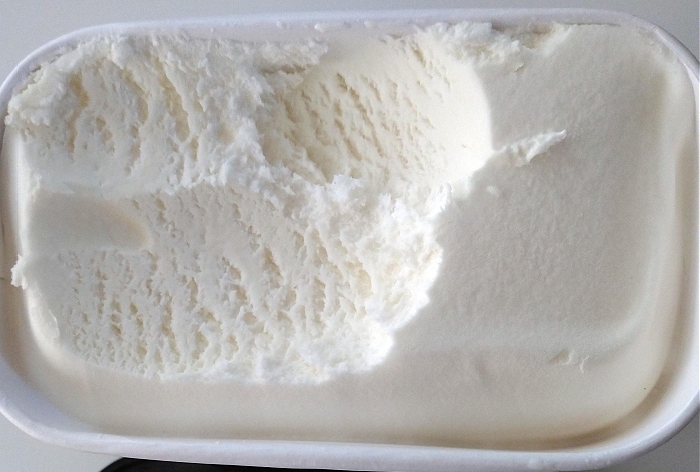
A new brand of “ice cream” called “Enlightened” has hit the market claiming only 60 – 100 calories per serving, with “more protein and less sugar.”
They picture 27 varieties of pints of ice cream in fancy flavors like this on their website:

Each of the descriptions under those containers, and even the containers themselves call the product “ice cream.” And on individual product pages, the manufacturer repeatedly refers to the product simply as “ice cream.”
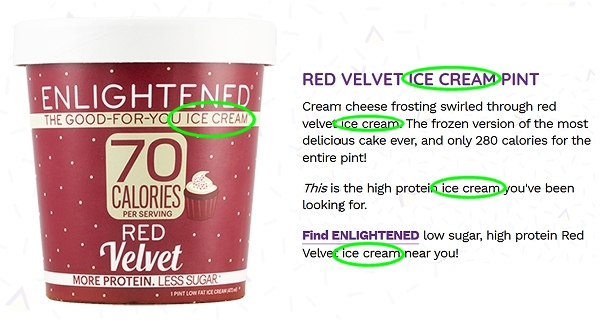
Under federal law, a “standard of identity” defines when you can label a product as “ice cream”:
“Ice cream” is a frozen food made from a mixture of dairy products, containing at least 10 percent milkfat. It also cannot be aerated (“overrun”) by more than 100%. And a gallon must weigh at least 4.5 pounds. [language simplified]
Their nutrition label on the red velvet “ice cream” flavor, for example, reveals a fat content of only 2 grams in a 70 gram (half cup) serving:
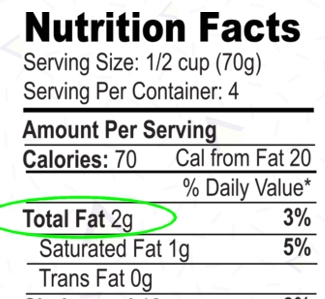
So clearly, there is not at least 10% milkfat in this product, and therefore legally it cannot be simply labeled “ice cream.”
You can’t tell looking at the pictures of the pint containers on the website, but a visit to a grocer’s freezer case reveals a secret on the package.
*MOUSE PRINT:
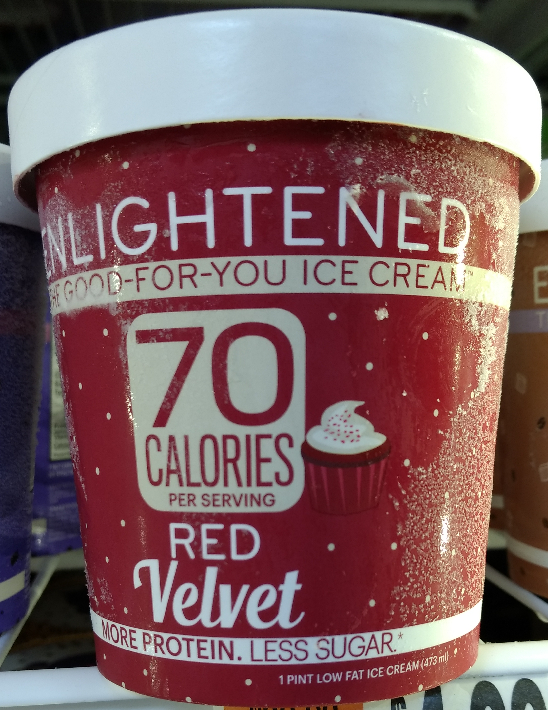
At the very bottom of the container in the tiniest print, which many people might miss, it says “low fat ice cream.” And that is completely different from plain old “ice cream.”
Federal law requires conspicuous disclosure of the legal name of the product, the statement of identity:
…be presented in bold type on the principal display panel, shall be in a size reasonably related to the most prominent printed matter on such panel, and shall be in lines generally parallel to the base on which the package rests as it is designed to be displayed. 21 CFR 101.3
And under separate FDA rules, products can be labeled as lower in fat if they meet these requirements:
“Reduced fat” ice cream contains at least 25 percent less total fat than the referenced product (either an average of leading brands, or the company’s own brand).
“Light” or “lite†ice cream contains at least 50 percent less total fat or 33 percent fewer calories than the referenced product (the average of leading regional or national brands).
“Lowfat” ice cream contains a maximum of 3 grams of total fat per serving (½ cup).
“Nonfat” ice cream contains less than 0.5 grams of total fat per serving.
Because this flavor of Enlightened has less than three grams of fat per serving, it can and must be labeled as “low fat ice cream” and not merely “ice cream.”
We asked Enlightened how the company could refer to these products merely as “ice cream” under the standard of identity and it referred us to the above chart.
Is the fine print disclosure they make on the container sufficient disclosure to purchasers? Are repeated references merely to “ice cream” in marketing materials and on the package misleading? We filed a complaint with the FDA asking them to look at this case, and we’ll report their findings (if any).
We’re not alone in raising questions about these newfangled “ice creams.” A class action lawsuit was filed last month against Halo Top, the most famous of these new lower calorie brands, making similar allegations as we have about Enlightened. (Hat tip to TruthinAdvertising.org for this lawsuit.)